

The Glorious Saga of the Quit India Movement
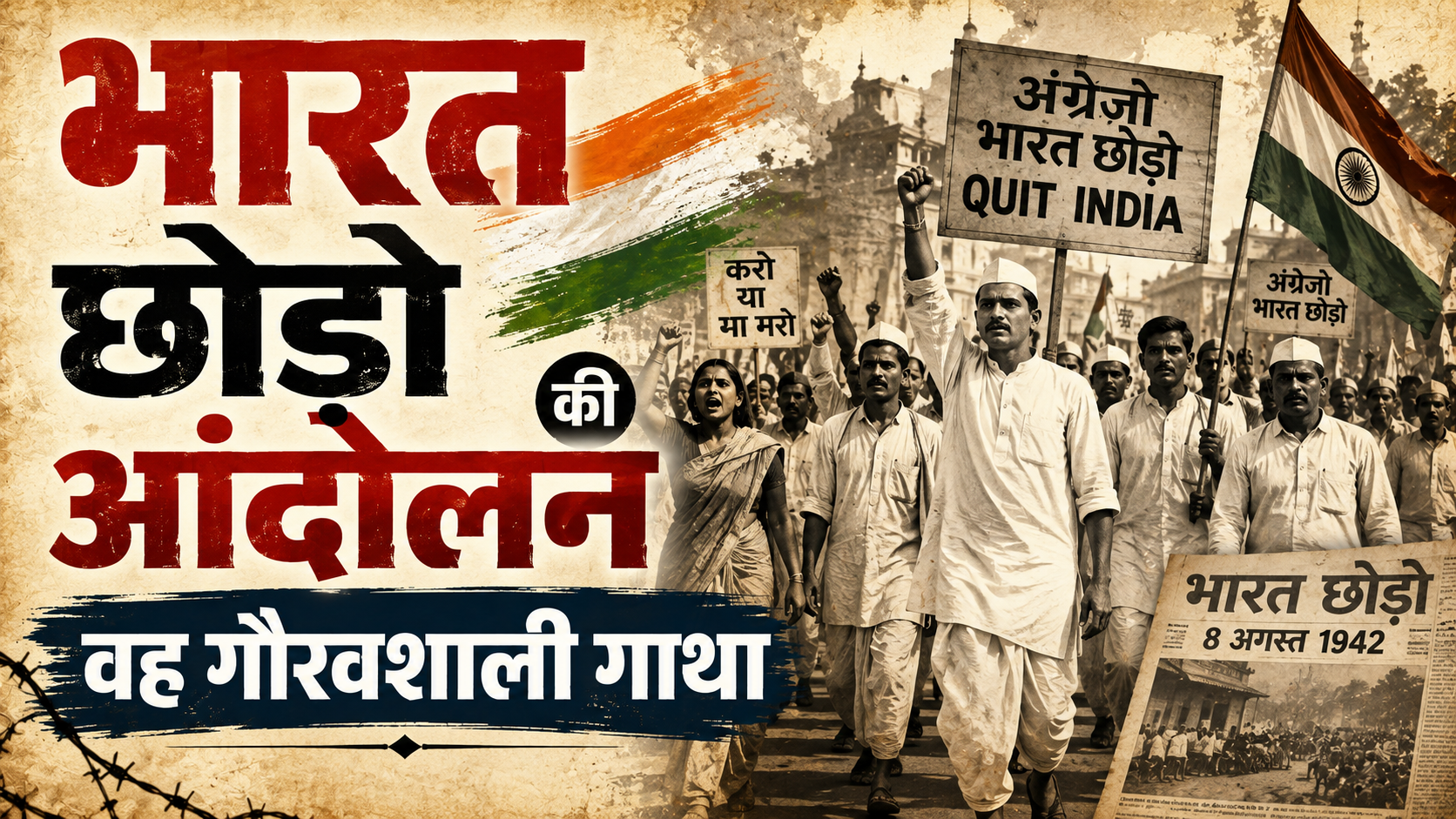
Bihta, Patna: In the history of India’s freedom struggle, August 19, 1942, holds a special place in Bihta as a day of courage, resistance and sacrifice. It was a time when the entire country had risen against British rule. The Quit India Movement, launched under the leadership of Mahatma Gandhi, had spread rapidly across India. Bihar also emerged as an important centre of the movement, and the call for freedom reached Bihta with tremendous force.
In August 1942, after the British government arrested several major national leaders, ordinary citizens and local activists took the movement forward. Demonstrations were organised at various places against government offices, railway facilities, post offices and communication networks. The determination among people was growing that British rule could no longer be accepted.
Bihta also witnessed growing political awareness and public mobilisation. Meetings were held in villages and towns, while students, farmers, youths and ordinary citizens came together against colonial rule. People marched with the national flag and raised slogans demanding freedom. On August 19, the movement took a particularly significant and emotional turn in the region.
The Historic Day of August 19
On August 19, 1942, a large number of people gathered in Bihta in support of the freedom movement. The protesters sought to register their opposition to British rule and its administrative institutions. At that time, the British authorities were using force to suppress public demonstrations and prevent the movement from spreading.
Tensions between the protesters and the administration increased. While the freedom fighters and local residents were filled with patriotic enthusiasm, the British administration was determined to suppress the movement. The situation eventually developed into a confrontation between the protesters and the authorities.
For the people of Bihta, the demonstration was not merely a political protest. It represented their struggle for dignity, rights and freedom. The participants believed that retreating from the movement would mean allowing future generations to continue living under colonial rule.
Major Role of Youth and Ordinary Citizens
One of the most important features of the Quit India Movement was the participation of ordinary citizens. It was not restricted to prominent political leaders. People from small towns and villages across the country became active participants in the freedom struggle. Bihta was one such example.
Local youths played an important role in the movement. They helped spread messages, mobilise people and participate in demonstrations. In rural areas too, dissatisfaction with British rule was increasing. Discussions about freedom became common among farmers, workers and local communities.
Women also contributed to the movement in significant ways. Despite the difficult social conditions of the time, the spirit of freedom encouraged many women to step beyond the traditional boundaries of their homes and support the national movement. Such widespread participation transformed the Quit India Movement into a genuine mass movement.
British Repression
During the Quit India Movement, the British administration launched extensive measures to suppress protests across Bihar. Arrests, lathi charges and other forms of repression became common. The authorities hoped to control the movement at an early stage, but their actions often had the opposite effect.
As repression increased, opposition to British rule became stronger. In Bihta too, activists continued their activities despite pressure from the authorities. People organised themselves locally and kept the spirit of freedom alive.
The events of August 19 had a deep impact on the people of Bihta. The struggle demonstrated that the freedom movement was no longer limited to political leaders. It had become a movement connected directly with the lives, rights and future of ordinary Indians.
A Legacy of Sacrifice
The history of India’s freedom struggle was not created only by major national leaders and well-known events. It was also shaped by the sacrifices of thousands of local activists, youths, farmers and ordinary citizens. The story of August 19, 1942, in Bihta is a reminder of this important local contribution.
Those who opposed British rule faced numerous challenges, including arrest, financial hardship, police action and even the threat to their lives. Despite these difficulties, many refused to withdraw from the movement.
The significance of these struggles is even greater because many local events gradually received less attention after independence. However, for Bihta, August 19, 1942, remains an important reminder of the period when local people contributed to the national struggle for independence.
Bihta’s Importance in Bihar’s Freedom Struggle
Bihar had already emerged as an important centre of the national movement. From the Champaran Satyagraha to the Non-Cooperation Movement and the Quit India Movement, people from different parts of the state actively opposed British rule. Patna and surrounding areas also played a significant role in the freedom struggle.
Bihta’s geographical and social importance made it an important area for political mobilisation. The ideology of the national movement reached rural and semi-urban communities rapidly. Because of its connection with transportation and communication networks, developments in the area also had wider significance.
The events of August 19, 1942, formed part of this larger movement. They demonstrate that the power of the Quit India Movement was not limited to major cities such as Delhi, Mumbai, Kolkata or Patna. Its message had reached small towns and villages across the country.
Message for Today’s Generation
The story of August 19, 1942, in Bihta is not merely a chapter of history. It also offers lessons about civic responsibility, courage and dedication to the nation. The freedom fighters of that era did not have modern resources or communication technologies, but they had a clear objective—to free India from colonial rule.
Today, remembering their struggle means more than simply recalling historical events. It also means understanding the sacrifices through which India achieved independence. Preserving local history is therefore essential so that future generations can learn about the freedom fighters and citizens who contributed to the national movement from their own regions.
The memory of August 19 in Bihta highlights this responsibility. Historical documents, memorials and oral accounts connected with the freedom movement should be preserved. Information collected from elderly residents and families associated with freedom fighters can help ensure that this local history reaches future generations.
Keeping the Legacy Alive
The call for freedom that emerged in Bihta on August 19, 1942, was part of the wider spirit of the Quit India Movement. It was a period when opposition to British rule had reached a critical point across the country. The people of Bihta also played their part in this historic struggle and refused to allow repression to weaken their determination for freedom.
India finally achieved independence on August 15, 1947, but the foundations of that freedom had been laid through years of movements, resistance and sacrifice. The story of August 19, 1942, in Bihta represents an important chapter in that long struggle.
There is a need to preserve this history not merely by remembering it on anniversaries but by incorporating it into local education, community programmes and public memory. The younger generation should be made aware of how people from their own region contributed to India’s freedom struggle.
For Bihta, August 19 is therefore more than just a date on the calendar. It represents courage, resistance and patriotism. The Quit India call demonstrated to the British authorities that the people of India were no longer willing to accept colonial rule. The people of Bihta also became part of that historic resistance, making August 19, 1942, an enduring chapter in the history of India’s freedom struggle.